

United for Change: Collaborative Efforts in Green Education
Chosen theme: Collaborative Efforts in Green Education. Together we explore how partnerships—between students, teachers, families, nonprofits, and civic leaders—turn sustainable ideas into lived, local action you can see, feel, and join.
Why Collaboration Powers Green Education
01
When schools unite with community partners, shared goals multiply momentum. A recycling drive becomes a neighborhood norm, a garden becomes a seed bank, and climate lessons become family conversations. Collaboration turns isolated efforts into visible, enduring habits that families proudly carry home.
02
Green education thrives when science meets art, civics, and storytelling. A water quality lab report becomes a mural, a town hall presentation, and a grant pitch. Collaboration invites different intelligences to contribute, letting every student find a meaningful role and purpose.
03
Co-created projects live longer because many people feel responsible for them. When students, custodians, teachers, and neighbors all help design the solution, it fits local realities. Ownership grows, maintenance becomes shared, and success stops depending on a single champion’s energy.
Schools + NGOs: Building Living Labs
From Classroom to Compost Loop
With a local sustainability nonprofit, ninth graders mapped cafeteria food waste, learned safe composting, and closed the loop by nourishing native plants. The project linked biology to community health, and families started composting at home after students shared simple starter kits.
A Rooftop Garden Story
On a windswept rooftop, an NGO guided students to install moisture sensors and wicking beds. Together they tested schedules, observed runoff, and adjusted practices. The shared data made improvements visible, and neighbors began visiting weekly to swap seeds and practical watering tips.
Mutual Capacity Building
Teachers gained hands-on tactics for outdoor learning while the NGO refined youth facilitation. They co-wrote lesson plans, set safety protocols, and debriefed monthly. Collaboration strengthened both sides, ensuring the program could adapt through seasons, staff changes, and shifting student interests.
City Data Meets Student Curiosity
Open air-quality and traffic datasets became the backbone of a student inquiry. Teams mapped asthma hotspots and presented recommendations to council staff. The city offered feedback and loaned monitors, and students gained a memorable lesson in evidence, policy, and respectful advocacy.
Buses, Trees, and Shade
A transit department worked with a school ecology club to redesign bus stop layouts with shade trees and permeable groundcovers. Students sketched options, gathered rider feedback, and planted alongside city crews. The stop became cooler, greener, and a small landmark of shared care.
Procurement as Curriculum
Cafeteria procurement turned into a real-world lesson. With the city’s food team, students mapped seasonal produce, calculated costs, and evaluated suppliers’ sustainability practices. The process demystified policy, showed trade-offs clearly, and invited families to taste-test local, plant-forward menu ideas.
Student-Led Coalitions That Spark Change
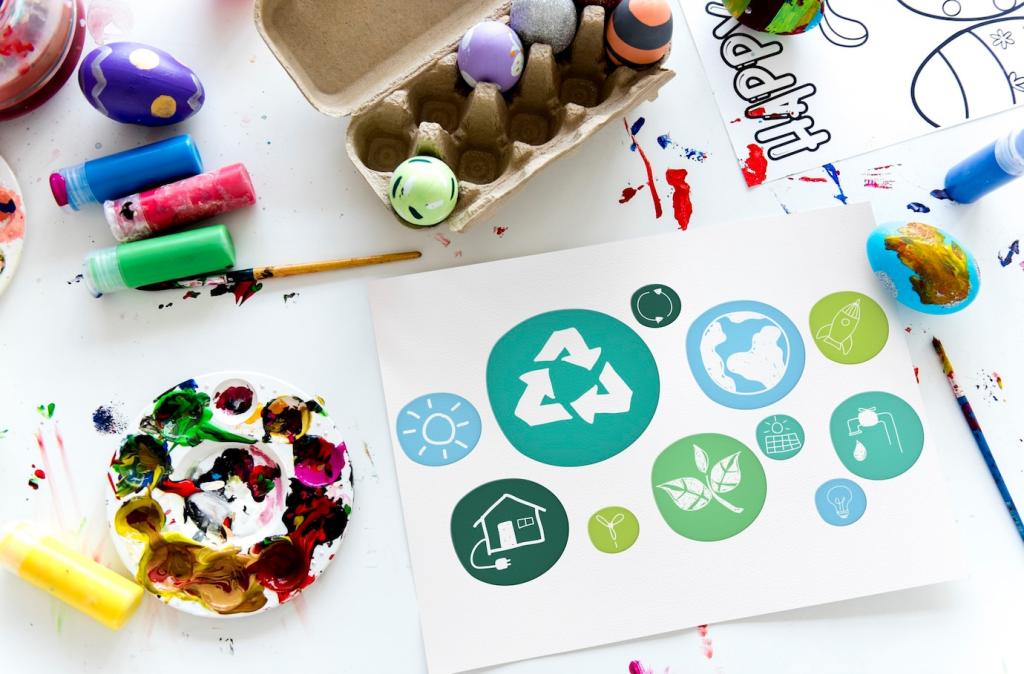
A student green council earned a small decision-making mandate and a microbudget. They scheduled audits, funded refill stations, and negotiated with clubs to reduce event waste. Responsibility built leadership skills, and adults learned to coach rather than control the agenda.
Student-Led Coalitions That Spark Change
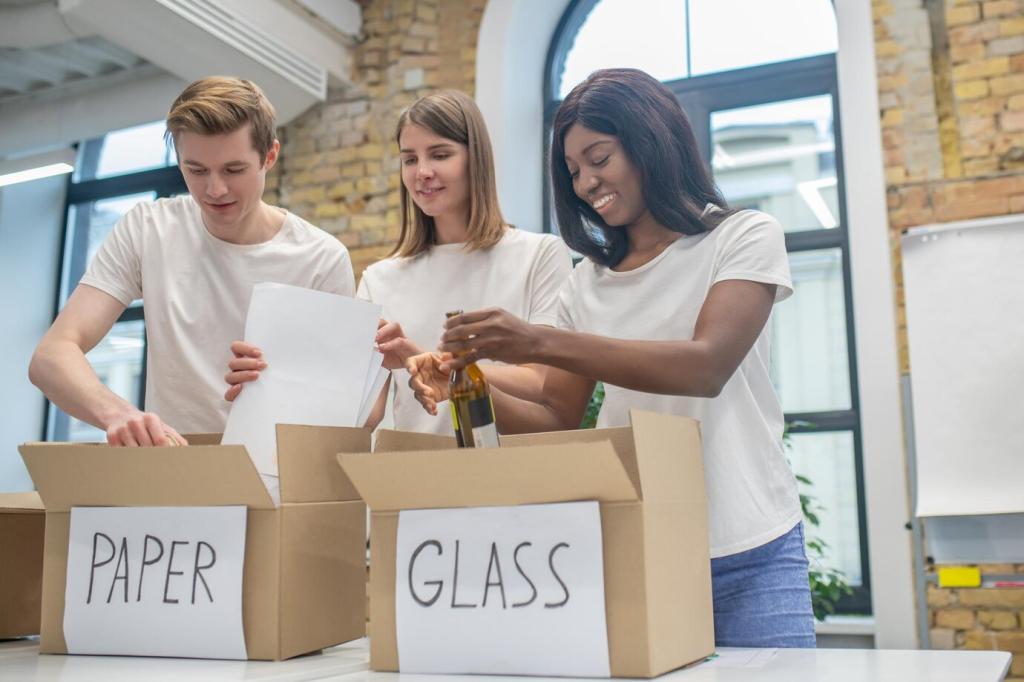
Students trained classmates as sustainability ambassadors. Friendly nudges during lunch and club meetings improved sorting accuracy and reduced contamination. Because the message came from peers, it felt practical, nonjudgmental, and contagious, inspiring other teams to tailor campaigns for their own hallways.

Teachers Co-Designing Green Curriculum
Planning Sprints with Purpose
Small teams ran two-week planning sprints, setting shared outcomes and fieldwork moments. They braided standards with authentic tasks, like interviewing gardeners or analyzing rainwater. Short cycles kept ambition focused and allowed quick adjustments based on student feedback and community logistics.
Co-Assessment that Matters
Teachers and partners co-created rubrics that value inquiry, teamwork, and community impact alongside content knowledge. Reflection journals captured process learning, while exhibitions invited families to respond. Assessment became a mirror of real collaboration rather than a checklist of isolated facts.
Care for Educator Wellbeing
Collaboration reduced burnout by distributing the load. Field partners handled demonstrations, librarians curated resources, and teachers focused on coaching. Weekly check-ins included well-being minutes, reminding the team that sustainable education requires sustainable adults, not heroic, exhausting, individual effort.
Measuring Impact Together
Shared Dashboards, Shared Trust
Schools, NGOs, and municipalities agreed on a simple dashboard: participation, learning artifacts, waste diversion, and maintenance notes. Everyone saw the same numbers, celebrated progress, and scheduled support where needed. Transparency made the work collaborative, not competitive, and kept attention on learning.
Citizen Science with Rigor
Students learned to calibrate tools, log metadata, and flag anomalies. Partners offered short trainings and periodic audits, turning citizen science into credible evidence. This respectful rigor helped community voices contribute confidently to conversations often dominated by technical jargon.
Iterate, Don’t Imitate
Comparing results across neighborhoods highlighted context. What thrived in one school stumbled in another. Teams used findings to adapt rather than copy, proving that collaborative learning is not a template but a living practice refined by honest feedback.
How You Can Join the Collaborative Network
Share a Partnership Story
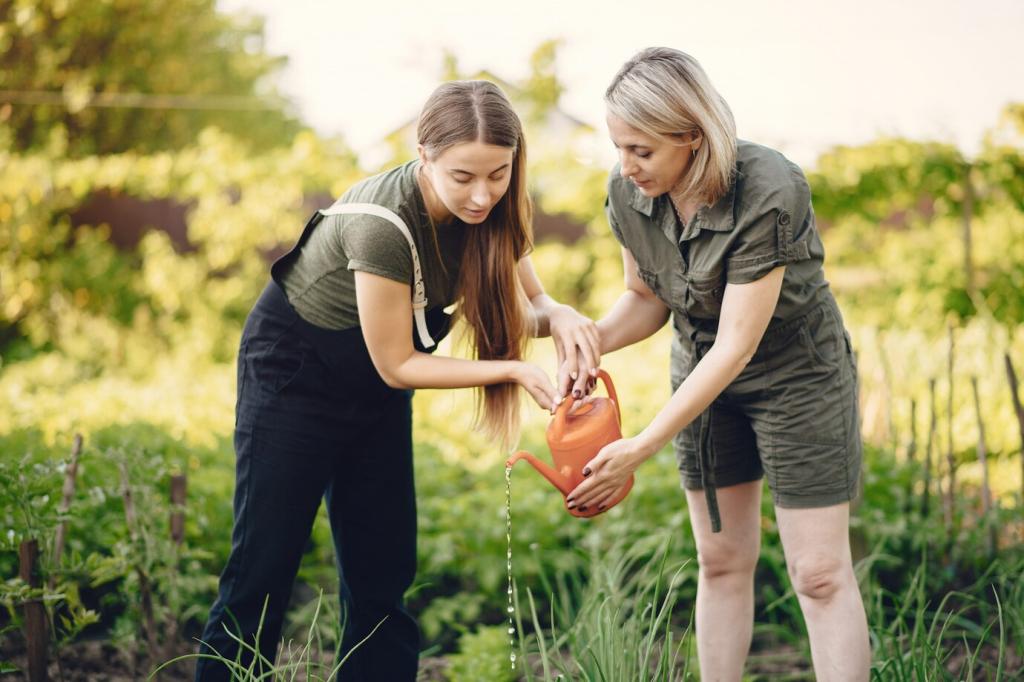
Tell us about a collaboration that moved you—a garden rebuilt after a storm, a class that changed a neighborhood habit, or a quiet partnership that made learning feel relevant. Your story can guide others toward brave, local action.
Start a Micro-Collab
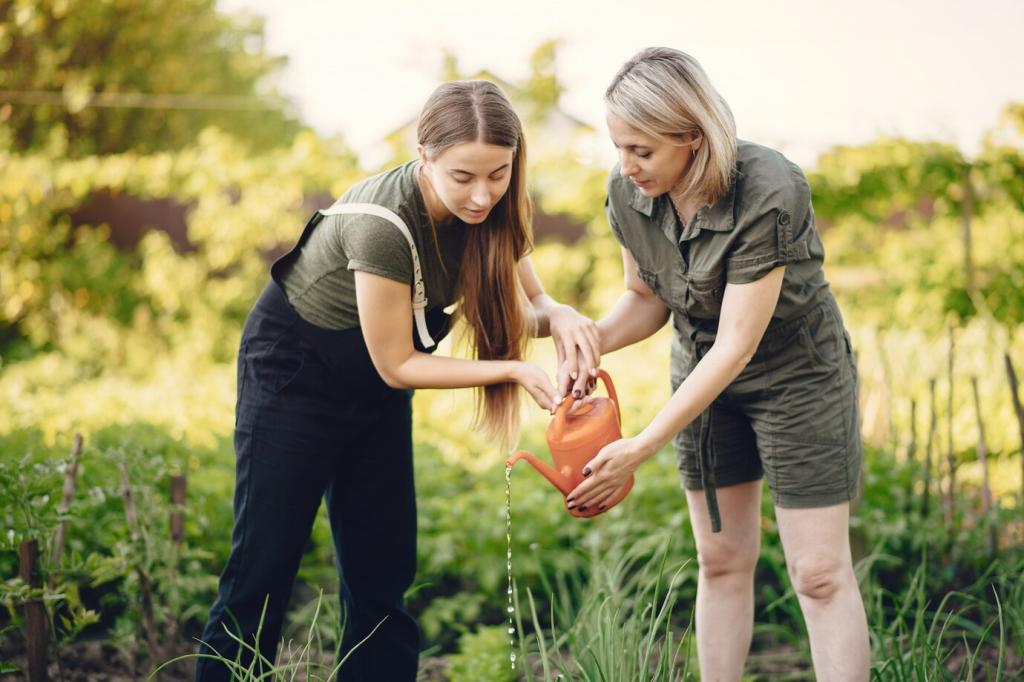
Pick something achievable this month: a seed swap with the library, a lunchroom audit with custodians, or a tree walk with the parks team. Small, respectful collaborations build trust and momentum without waiting for perfect conditions or big budgets.
Subscribe and Volunteer
Subscribe for practical templates, and volunteer an hour to mentor a student team or host a site visit. Your presence is often the bridge between curiosity and confidence, and it keeps collaborative efforts in green education vibrant and real.