Teachers at the Heart of a Sustainable Future

Chosen theme: Role of Teachers in Fostering Sustainability. Welcome to a space where educators spark lasting change. Here we celebrate practical classroom strategies, real stories, and hopeful ideas that help teachers nurture responsible, curious, and climate-literate citizens. Stay, share your experience, and help this community grow greener together.

Why Teachers Are Catalysts for Sustainability

Teachers decide which questions matter today, and those choices ripple into how students see tomorrow. By framing sustainability as both scientific and civic, educators transform classrooms into spaces where stewardship, empathy, and evidence-based action feel not only possible, but expected and deeply meaningful.

Integrating Sustainability Across Subjects

Run experiments on soil health, biodiversity, or energy transfer, then pair results with novels or poems that explore responsibility and future worlds. The evidence sharpens judgment, while stories stretch empathy—together helping students connect data to decisions and imagine sustainable futures worth working toward today.
Invite students to calculate carbon, water, and waste footprints using authentic datasets. Graph trends, test assumptions, and compare interventions. When math becomes a lens for evaluating cafeteria choices or transport routes, learners discover numbers are not abstract—they are tools for fairer, more sustainable decision-making.
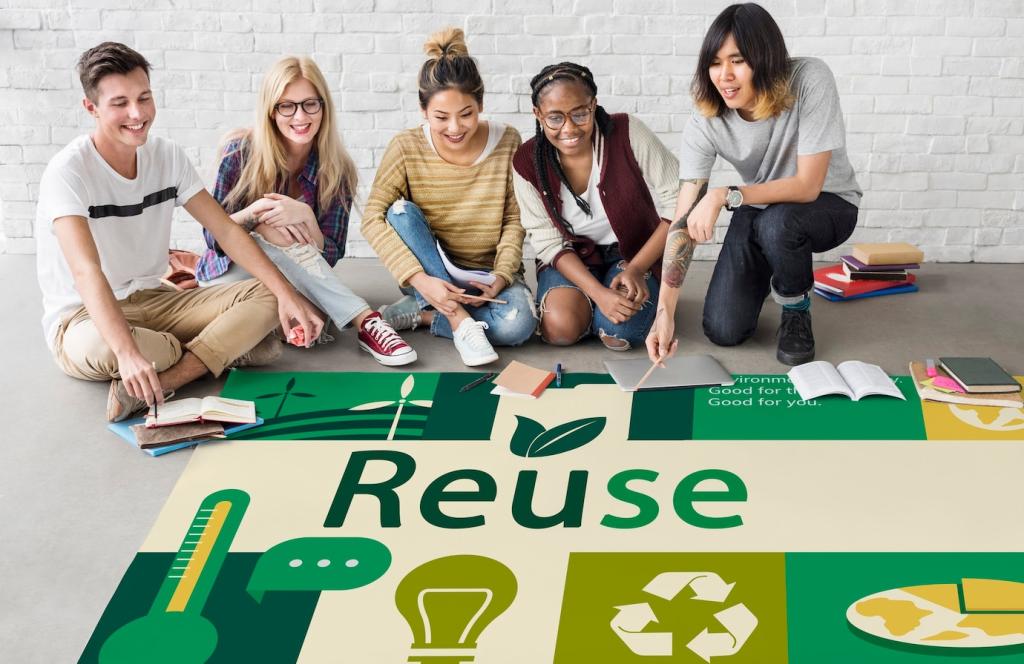
Challenge students to redesign everyday objects for repair, reuse, and minimal waste. Explore biomimicry, cradle-to-cradle ideas, and material lifecycles. When creativity meets constraint, learners see that beauty, function, and responsibility can coexist—and that teachers can mentor designers of a circular, resilient economy.

Project-Based Learning that Moves Communities

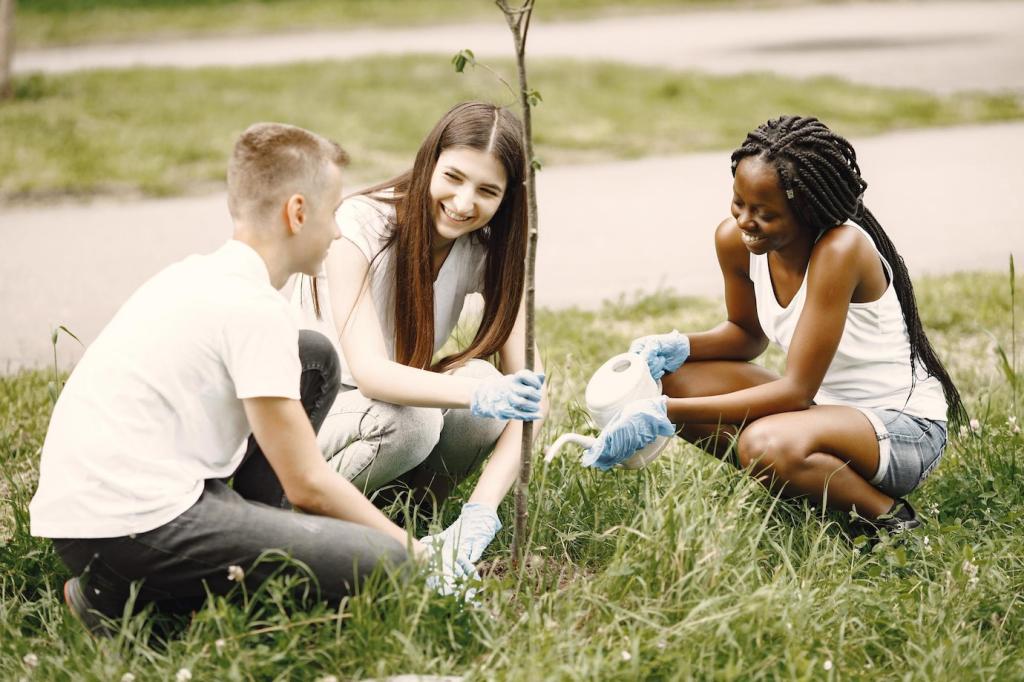
Start with a walk: observe heat islands, litter patterns, tree canopies, or bus stops. Students gather evidence, interview neighbors, and propose doable, low-cost interventions. Guided by teachers, they learn to balance ambition with feasibility and to celebrate progress without losing sight of larger, systemic challenges.

Project-Based Learning that Moves Communities

Students track baselines, set targets, and celebrate small wins with dashboards or exhibitions. Reflection journals capture lessons, setbacks, and insights. Teachers close the loop by inviting stakeholders—custodians, city staff, local experts—so projects earn feedback, credibility, and support beyond the classroom walls.

Project-Based Learning that Moves Communities

What project lit up your learners and improved your community? Share a brief story so other teachers can adapt it. Post your goals, process, hurdles, and outcomes. Your hard-earned insights can become someone’s starting line—subscribe to get a monthly digest of field-tested, classroom-ready ideas.

Project-Based Learning that Moves Communities

Lorem ipsum dolor sit amet, consectetur adipiscing elit. Ut elit tellus, luctus nec ullamcorper mattis, pulvinar dapibus leo.
Carry a reusable mug, annotate lesson slides with energy and materials impacts, and narrate your thinking: why you printed double-sided, how you planned a low-plastic lab. These visible choices teach students that sustainability is a series of aligned decisions rather than a single heroic act.

Modeling Sustainable Behaviors as Everyday Practice

Involve students in evaluating markers, paper, and lab materials using criteria like durability, toxicity, recyclability, and labor ethics. Teachers demystify supply chains and empower learners to ask better questions—turning procurement into a living lesson on responsibility, transparency, and long-term value over short-term convenience.

Modeling Sustainable Behaviors as Everyday Practice

Partnerships Beyond the School Gates

Invite city planners, horticulturists, and waste managers to co-design learning experiences. A single site visit to a stormwater garden or materials recovery facility grounds theory in practice. Teachers become bridge-builders, helping students see how civic systems work and how their voices can matter.

Assessment, Reflection, and Lasting Impact

Rubrics that Reward Systems Thinking

Design rubrics that value mapping causal loops, identifying stakeholders, and recognizing trade-offs. When teachers assess beyond recall, students learn to connect dots, weigh unintended consequences, and propose solutions that respect ecological limits as well as social realities and equity concerns.

Democracy in the Classroom

Co-create norms, choose inquiry questions together, and hold open forums on trade-offs. Teachers model respectful dialogue and evidence-based persuasion, giving students a practical toolkit for navigating complex sustainability debates with empathy, rigor, and the courage to change their minds.

Clubs that Matter

Support eco-clubs with clear goals, budgets, and mentorship. Teachers help students move from awareness to action—organizing repair cafés, habitat plantings, or policy petitions—while protecting time for reflection so momentum stays humane, inclusive, and grounded in learning rather than burnout.

Call to Action: Share a Student Story

Which student surprised you with leadership or insight? Share their story—first names only—to inspire fellow educators. Comment with the challenge, the turning point, and the outcome. Your story can spark another teacher’s breakthrough and help this community of practice grow stronger.
Mimitulane
Privacy Overview

This website uses cookies so that we can provide you with the best user experience possible. Cookie information is stored in your browser and performs functions such as recognising you when you return to our website and helping our team to understand which sections of the website you find most interesting and useful.