Case Studies of Eco-Friendly Schools: Real Stories, Real Impact

Selected theme: Case Studies of Eco-Friendly Schools. Explore vivid, lesson-rich examples of campuses transforming energy, water, waste, and learning. Be inspired, borrow ideas, and share your own school’s journey—subscribe to follow every new case study.

Case Study: Sunshine Primary’s Solar Journey

Administrators pursued grants, a small parent-teacher crowdfunding drive, and a local installer’s educational discount. The pitch was simple: panels that pay back, lessons that pay forward. Families backed the learning promise as much as the clean energy hardware.

Case Study: Sunshine Primary’s Solar Journey

Teachers used generation graphs for math warm-ups and weather comparisons. Morning announcements celebrated sunny spikes. Students wrote letters to the city library explaining their data, discovering that storytelling often persuades even more effectively than numbers alone.
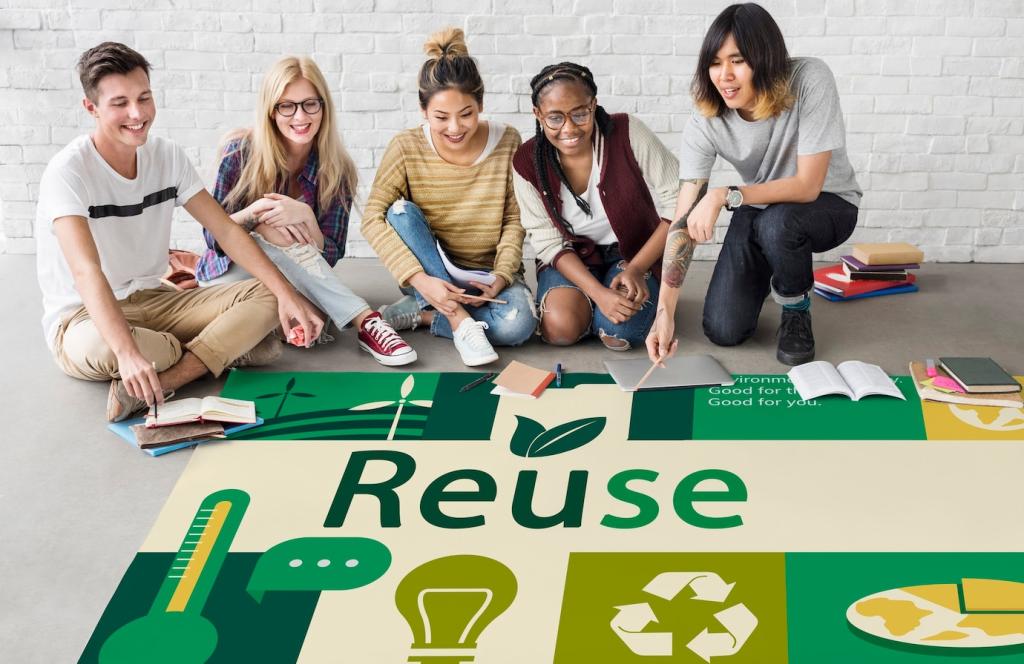
Case Study: From Cafeteria to Near Zero-Waste

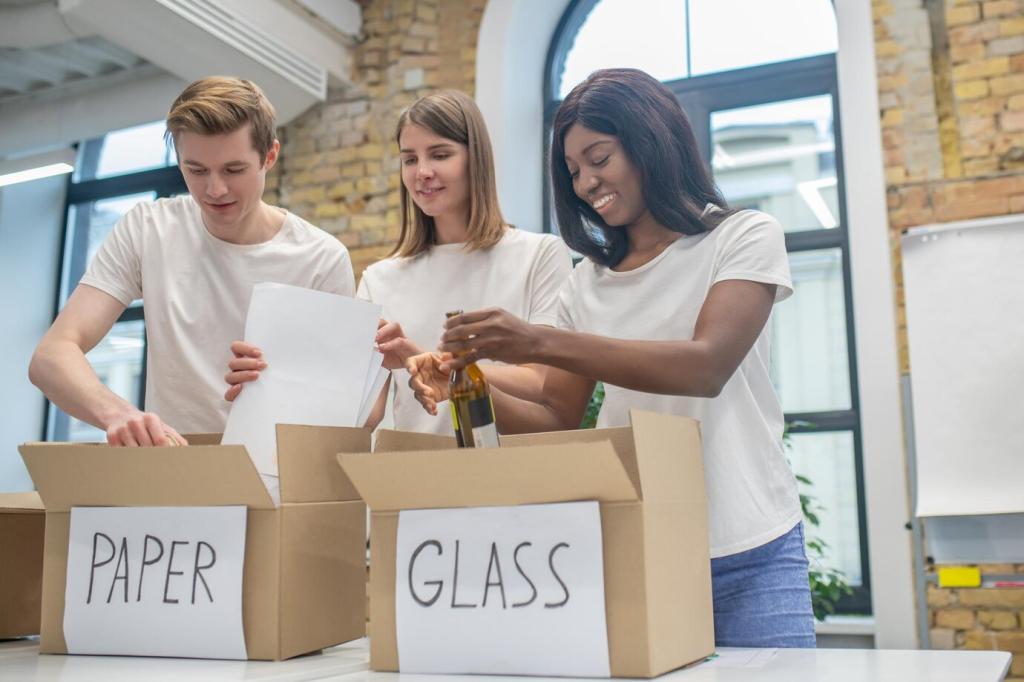
The team mapped traffic flow, then placed color-coded bins at natural pauses. A student volunteer at each station gave gentle prompts, turning awkward moments into teachable ones. Monthly posters displayed progress, keeping momentum visible and celebrations timely.

Case Study: Retrofitting a Historic High School

Light shelves and adjustable shades bounced sunlight deeper into rooms while minimizing hotspots near windows. Daylight sensors dimmed fixtures smoothly, so students barely noticed. Share your favorite daylighting hack that maintained focus and kept screens readable.

Case Study: Learning Outside Through Biodiversity

Students chose native plants for staggered blooms, then logged pollinator visits across months. Art classes illustrated species guides. The gardens became a yearly ritual, where first graders inherit journals and add observations that make the dataset richer over time.

Case Study: Equity, Access, and Community Power

Designing for all learners

Teachers co-created quiet observation zones, tactile signage, and multiple ways to show understanding. The green program felt like an invitation, not a test. Tell us how your school adapts sustainability projects to different strengths and comfort levels.

Community solar, shared savings

A nearby community solar project let families subscribe at modest levels, linking classroom lessons to household budgets. Students interviewed neighbors about energy choices, practicing empathy while exploring practical, equitable pathways to cleaner power.

Trust through transparent updates

Quarterly town halls shared progress, setbacks, and photos from student teams. Honest reporting built credibility and volunteer momentum. If transparency tools helped your school—newsletters, dashboards, or open data—drop a note so others can replicate.

Measure What Matters, Celebrate What Works

Whether a whiteboard by the cafeteria or a web page, visual trackers make trends visible. Teachers use quick bell-ringers around the data, connecting effort to outcomes. Share your favorite visual that turned a number into a story students remember.

Measure What Matters, Celebrate What Works

Short, student-led audits uncovered surprising items: unopened milk, stray utensils, half-eaten fruit. Instead of blame, teams prototyped fixes—rearranged displays, taste tests, and share tables—then measured again. What audit surprises reshaped your approach?
Mimitulane
Privacy Overview

This website uses cookies so that we can provide you with the best user experience possible. Cookie information is stored in your browser and performs functions such as recognising you when you return to our website and helping our team to understand which sections of the website you find most interesting and useful.